 FR
FRLoading your progress…
DISCOVER CANADA · A FRESH PERSPECTIVE
Canada’s Regions, Provinces and Capitals
Explore five regions, ten provinces and three territories, with capital cities and real photographs.
THE BOOK, REIMAGINED
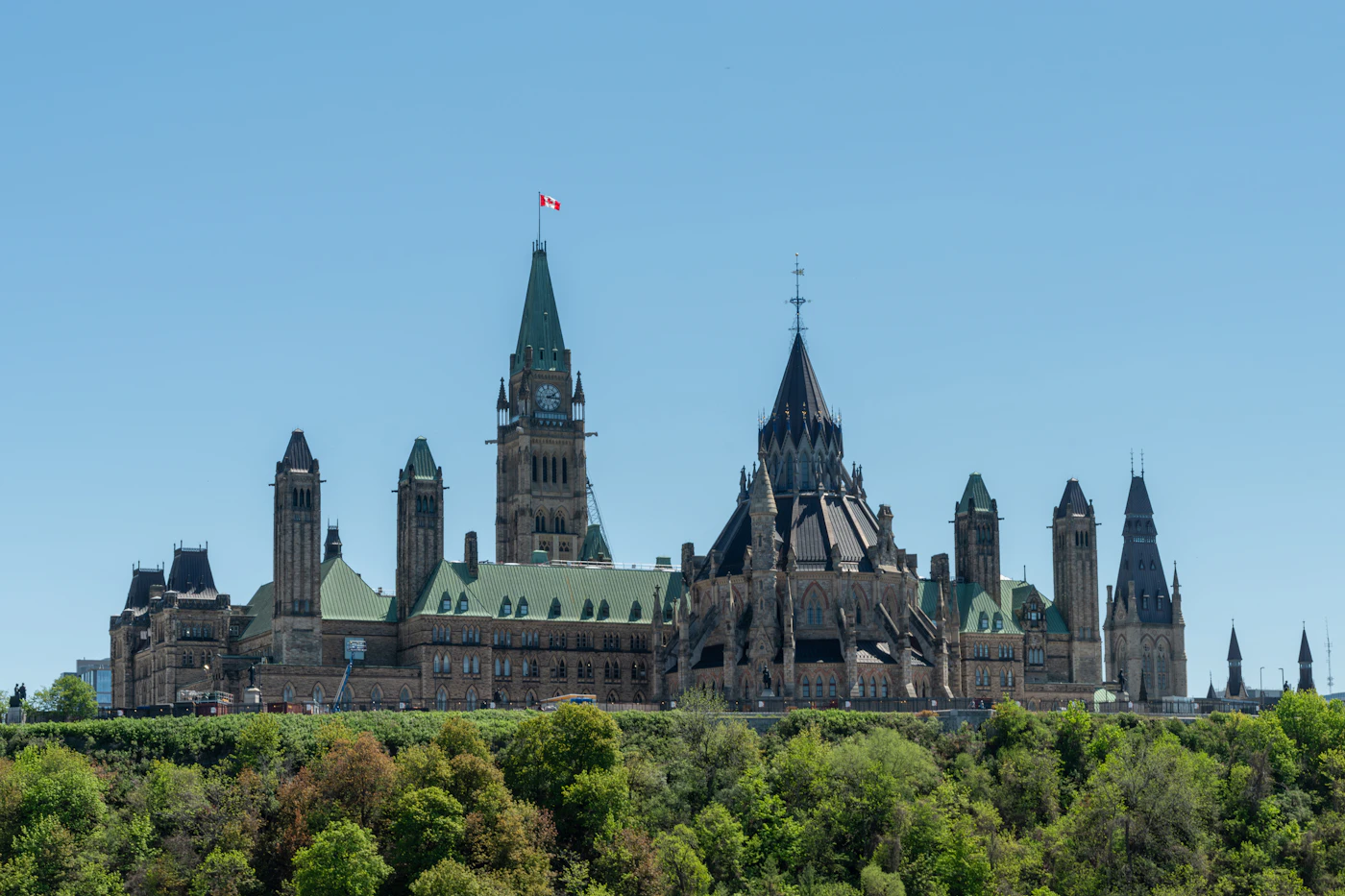
Parliament Hill, Ottawa · photo: Aleksandr Galenko / UnsplashTravel through the story of Canada.
Choose a route. Follow the dates, meet the people, or explore the places behind the questions.
Your PDF contains older editions. Use it for historical facts, and check current officeholders and test rules against up-to-date official sources.
10 provinces. 3 territories. One country.
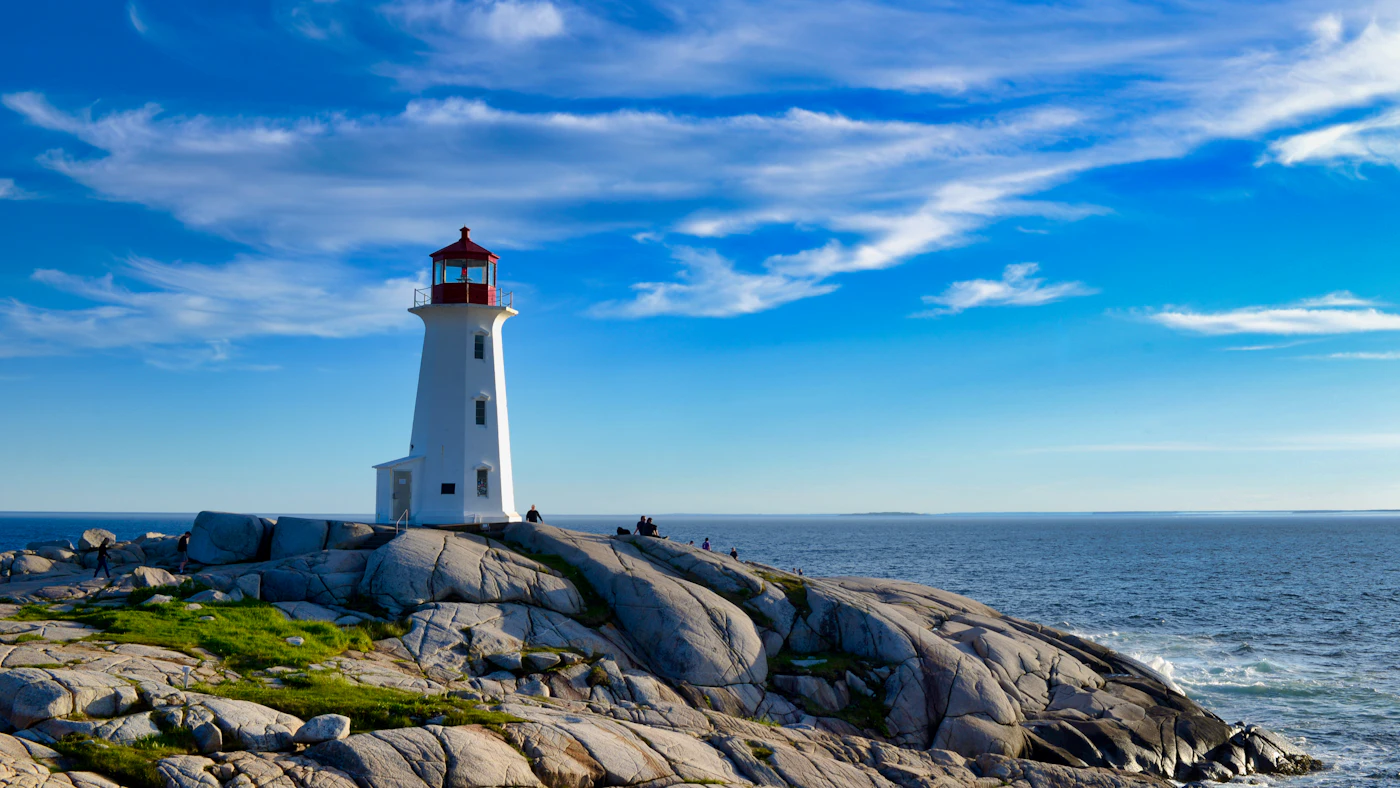
Image credit & license
THE FIVE REGIONSDiscover Canada · p. 46
Atlantic
Coastal communities, cities and maritime connections.
Four provinces with distinct English-, French- and Indigenous-language communities.Newfoundland and LabradorCapital: St. John’s
Prince Edward IslandCapital: Charlottetown
Nova ScotiaCapital: Halifax
New BrunswickCapital: Fredericton
Each photo shows one place, rather than the full diversity of its region.
| Province / territory | Capital | Region | Joined Canada | Remember |
|---|---|---|---|---|
| Newfoundland and Labrador | St. John’s | Atlantic | 1949 | Maritime heritage, fishing and its own time zone. |
| Prince Edward Island | Charlottetown | Atlantic | 1873 | Site of a Confederation conference; Canada’s smallest province. |
| Nova Scotia | Halifax | Atlantic | 1867 | Shipbuilding, maritime trade and the Bay of Fundy tides. |
| New Brunswick | Fredericton | Atlantic | 1867 | The only officially bilingual province. |
| Quebec | Québec City | Central | 1867 | French-language culture, hydroelectricity and the St. Lawrence River. |
| Ontario | Toronto | Central | 1867 | The Great Lakes and manufacturing; home to Ottawa. |
| Manitoba | Winnipeg | Prairies | 1870 | Agriculture, hydroelectricity and French-speaking St. Boniface. |
| Saskatchewan | Regina | Prairies | 1905 | Grain, potash and the RCMP training academy in Regina. |
| Alberta | Edmonton | Prairies | 1905 | Oil and gas, cattle ranching and Banff. |
| British Columbia | Victoria | West Coast | 1871 | The Pacific Ocean, forestry and the Port of Vancouver. |
| Yukon | Whitehorse | North | 1898 | The gold rush and Canada’s highest peak, Mount Logan. |
| Northwest Territories | Yellowknife | North | 1870 | Diamonds and the Mackenzie River system. |
| Nunavut | Iqaluit | North | 1999 | Inuit culture; the name means our land. |
For Yukon and Nunavut, the year refers to the creation of the territory. These lands previously belonged to other administrative areas.