 FR
FRLoading your progress…
DISCOVER CANADA · A FRESH PERSPECTIVE
Discover Canada Chapter Guides
Explore ten Discover Canada topics with source-linked chapter summaries.
THE BOOK, REIMAGINED
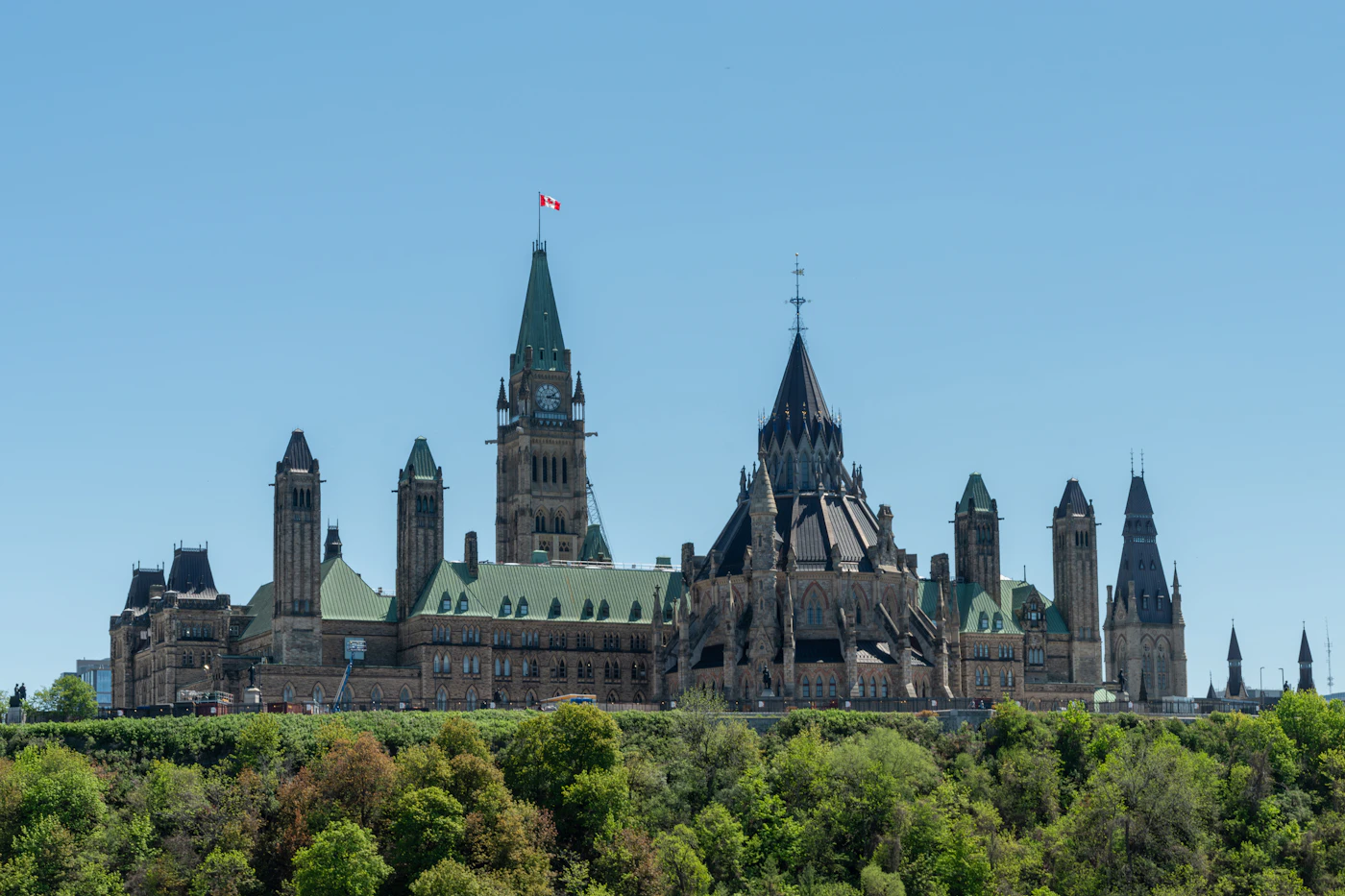
Parliament Hill, Ottawa · photo: Aleksandr Galenko / UnsplashTravel through the story of Canada.
Choose a route. Follow the dates, meet the people, or explore the places behind the questions.
Your PDF contains older editions. Use it for historical facts, and check current officeholders and test rules against up-to-date official sources.
01Rights and responsibilities
Distinguish freedoms protected by law from the responsibilities of citizenship.

Rights and responsibilities
Distinguish freedoms protected by law from the responsibilities of citizenship.
- Four fundamental freedoms: conscience and religion; thought and expression; peaceful assembly; association.
- The rule of law applies to both people and governments. Habeas corpus allows unlawful detention to be challenged.
- Responsibilities include obeying the law, caring for your family, serving on a jury when called, voting, helping others and protecting our heritage.
02Who we are
Learn the distinctions between peoples and language communities.

Who we are
Learn the distinctions between peoples and language communities.
- The three groups of Indigenous peoples are First Nations, Inuit and Métis. These names are not interchangeable.
- English and French are the official languages. New Brunswick is the only officially bilingual province.
- Study both achievements and difficult chapters: the Acadian deportation, residential schools and discrimination.
03History
Connect each event with its causes, people and consequences.
History
Connect each event with its causes, people and consequences.
- Cartier → St. Lawrence; Champlain → Québec City; 1759 → Plains of Abraham.
- 1867: the four founding provinces. Macdonald was the first prime minister; Cartier was a key architect of Confederation from Quebec.
- Vimy Ridge → 1917; Juno Beach → 1944. Distinguish the First and Second World Wars.
04Modern Canada
Remember achievements through the people behind them.

Modern Canada
Remember achievements through the people behind them.
- Terry Fox → Marathon of Hope; Naismith → basketball; Banting and Best → insulin.
- The Quiet Revolution was a period of rapid social change in Quebec in the 1960s.
- The Official Languages Act was passed in 1969; the Charter of Rights and Freedoms has been part of the Constitution since 1982.
05Government
Three descriptions that apply to Canada at the same time.

Government
Three descriptions that apply to Canada at the same time.
- A federal state: powers are divided between the federal and provincial governments.
- A parliamentary democracy: voters elect representatives, and the government needs the confidence of the House of Commons.
- A constitutional monarchy: the monarch is head of state; the prime minister is head of government. Parliament consists of the monarch, the Senate and the House of Commons.
06Elections
Understand the process, not just the names.

Elections
Understand the process, not just the names.
- In federal elections, citizens aged 18 and over vote by secret ballot for a candidate in their riding.
- The candidate with the most votes in a riding wins. The prime minister is not chosen in a separate nationwide election.
- A majority government holds a majority of seats. A minority government holds fewer than half and needs support from other members.
07Justice
Judicial independence and the presumption of innocence.
Justice
Judicial independence and the presumption of innocence.
- No one is above the law. Courts resolve disputes and apply the law.
- An accused person is presumed innocent until proven guilty. Police enforce the law.
- Courts and police are separate institutions. The RCMP is the federal police service and provides other policing services under agreements.
08Symbols
Connect each symbol with its meaning and date.

Symbols
Connect each symbol with its meaning and date.
- The maple leaf flag → 1965; the national colours red and white → 1921.
- Remembrance Day → 11 November, red poppies and remembrance of those who served and died.
- Hockey is the national winter sport; lacrosse is the summer sport. A mari usque ad mare means from sea to sea.
09Economy
Three main types of industry.

Economy
Three main types of industry.
- Services: education, health care, banking, transportation and retail.
- Manufacturing: cars, aerospace technology, paper, machinery and other goods.
- Natural resources: forestry, fishing, agriculture, mining and energy. Figures and trade agreements in the older guide need updating.
10Regions
Learn the five regions, ten provinces and three territories.

Regions
Learn the five regions, ten provinces and three territories.
- Atlantic: NL, PEI, NS and NB. Central Canada: Quebec and Ontario. Prairies: Manitoba, Saskatchewan and Alberta.
- West Coast: British Columbia. North: Yukon, the Northwest Territories and Nunavut.
- Ottawa is the national capital. Know your own province or territory’s capital, premier and your member of Parliament.