The test in 20 seconds
- 20 multiple-choice or true-or-false questions; 45 minutes.
- At least 15 correct answers are needed to pass. The test is offered in English or French.
- IRCC bases every official test question on Discover Canada. Your own invitation contains the instructions that apply to you.
Rights and responsibilities
- Fundamental freedoms include conscience and religion; thought, belief, opinion and expression; peaceful assembly; and association.
- Citizens have democratic rights, including voting in federal, provincial or territorial, and municipal elections.
- Responsibilities include obeying the law, serving on a jury when called, voting, helping others in the community and protecting Canada’s heritage and environment.
- Remember the distinction: a right is a protection or entitlement; a responsibility is something citizens are expected to do.
Government: who does what?
- Canada is a federal state, a parliamentary democracy and a constitutional monarchy.
- Parliament has three parts: the Sovereign, the Senate and the House of Commons. The Prime Minister leads the federal government; MPs represent electoral districts in the House.
- Federal responsibilities include national defence, foreign policy, citizenship and currency. Provincial and territorial governments have important responsibilities for education, health and natural resources.
- The Governor General represents the Sovereign federally. Premiers lead provincial and territorial governments. Municipal councils deal with local matters.
Four dates worth anchoring
- 1867 — Confederation: Ontario, Quebec, Nova Scotia and New Brunswick formed the Dominion of Canada on July 1.
- 1965 — the red-and-white maple leaf flag was first raised on February 15.
- 1982 — the Constitution was patriated and the Canadian Charter of Rights and Freedoms became part of it.
- 1999 — Nunavut became a separate territory on April 1.
People: connect names to roles
- Sir John A. Macdonald — a Father of Confederation and Canada’s first Prime Minister.
- Sir George-Étienne Cartier — a key Confederation leader from Quebec.
- Louis Riel — Métis leader and central figure in the creation of Manitoba.
- Terry Fox — the Marathon of Hope; remember why his cross-Canada run remains significant.
Geography: five regions and 13 capitals
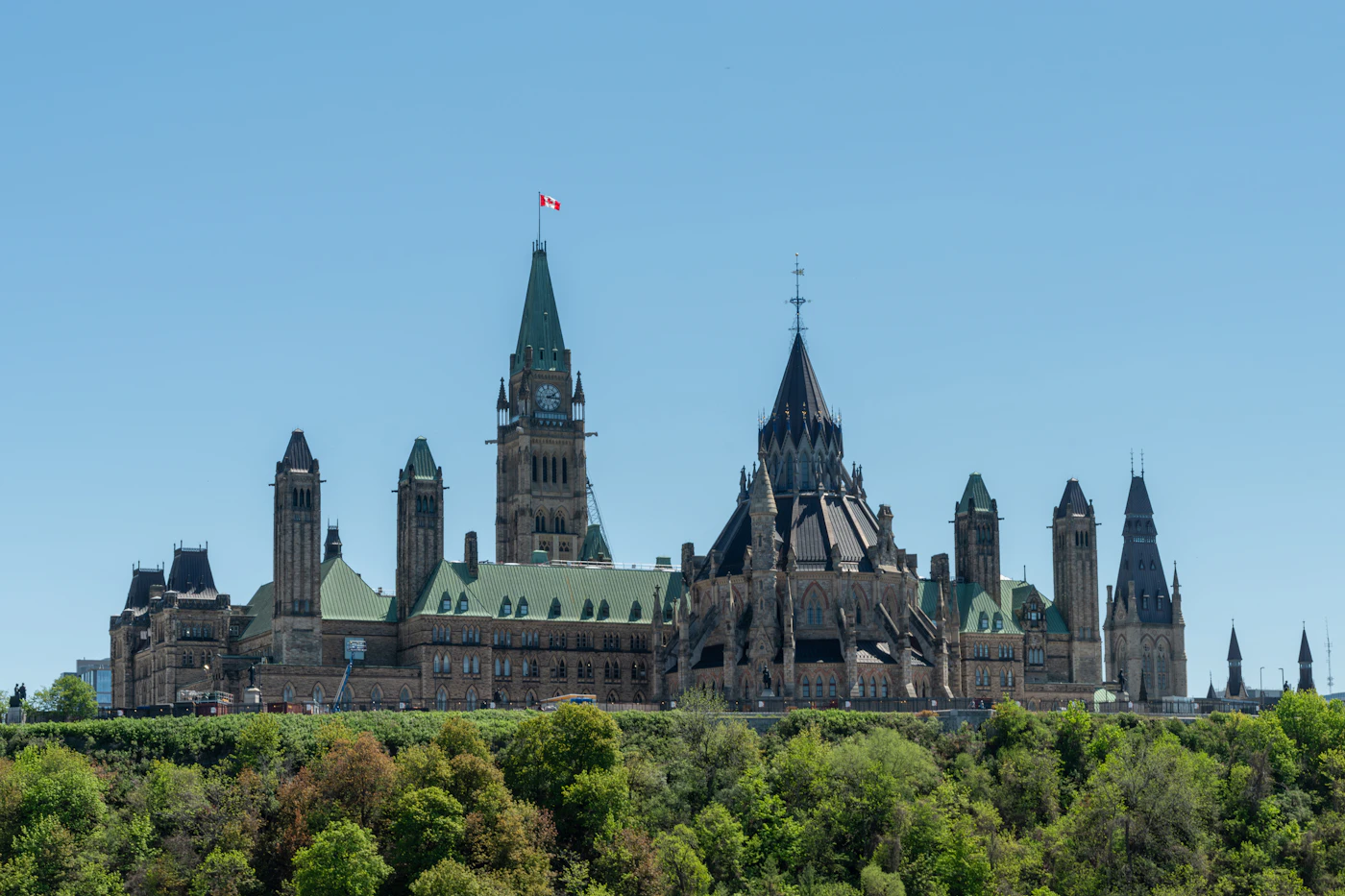
- Canada’s capital is Ottawa, in Ontario. There are 10 provinces and 3 territories.
- Atlantic: Newfoundland and Labrador—St. John’s; Prince Edward Island—Charlottetown; Nova Scotia—Halifax; New Brunswick—Fredericton.
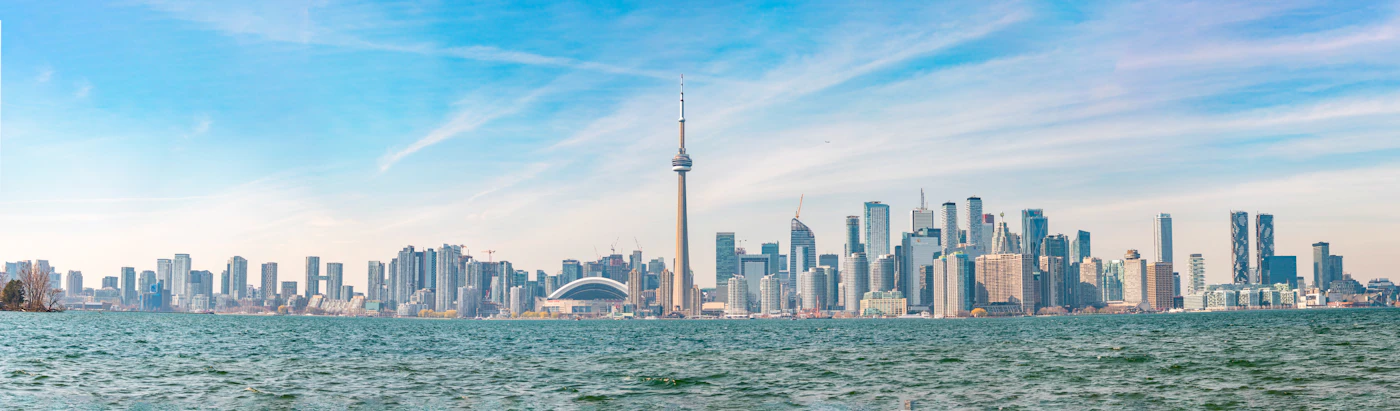
- Central: Quebec—Québec City; Ontario—Toronto.
- Prairies: Manitoba—Winnipeg; Saskatchewan—Regina; Alberta—Edmonton.
- West Coast: British Columbia—Victoria.
- North: Yukon—Whitehorse; Northwest Territories—Yellowknife; Nunavut—Iqaluit.
Symbols and languages
- The maple leaf is on the national flag; red and white are the national colours.
- “O Canada” is the national anthem. The beaver is an official symbol.
- Hockey is the national winter sport; lacrosse is the national summer sport.
- English and French are Canada’s two official languages. New Brunswick is the only officially bilingual province.
Your final 15-minute review
- Without looking, name the four founding provinces, the three parts of Parliament and the five regions.
- Cover the capitals above and recall them from memory; revisit only those you miss.
- Take a fresh mixed set of questions. Read the explanation for every wrong or guessed answer, then check the matching Discover Canada passage.
- Check your IRCC invitation and the current official pages for test-day instructions and any current officeholders; names and procedures can change.
Is this an official cheat sheet?
No. IRCC says Discover Canada is the only official study guide and all test questions are based on it. This independent checklist highlights useful review topics; it cannot predict the questions you will receive or guarantee a pass.